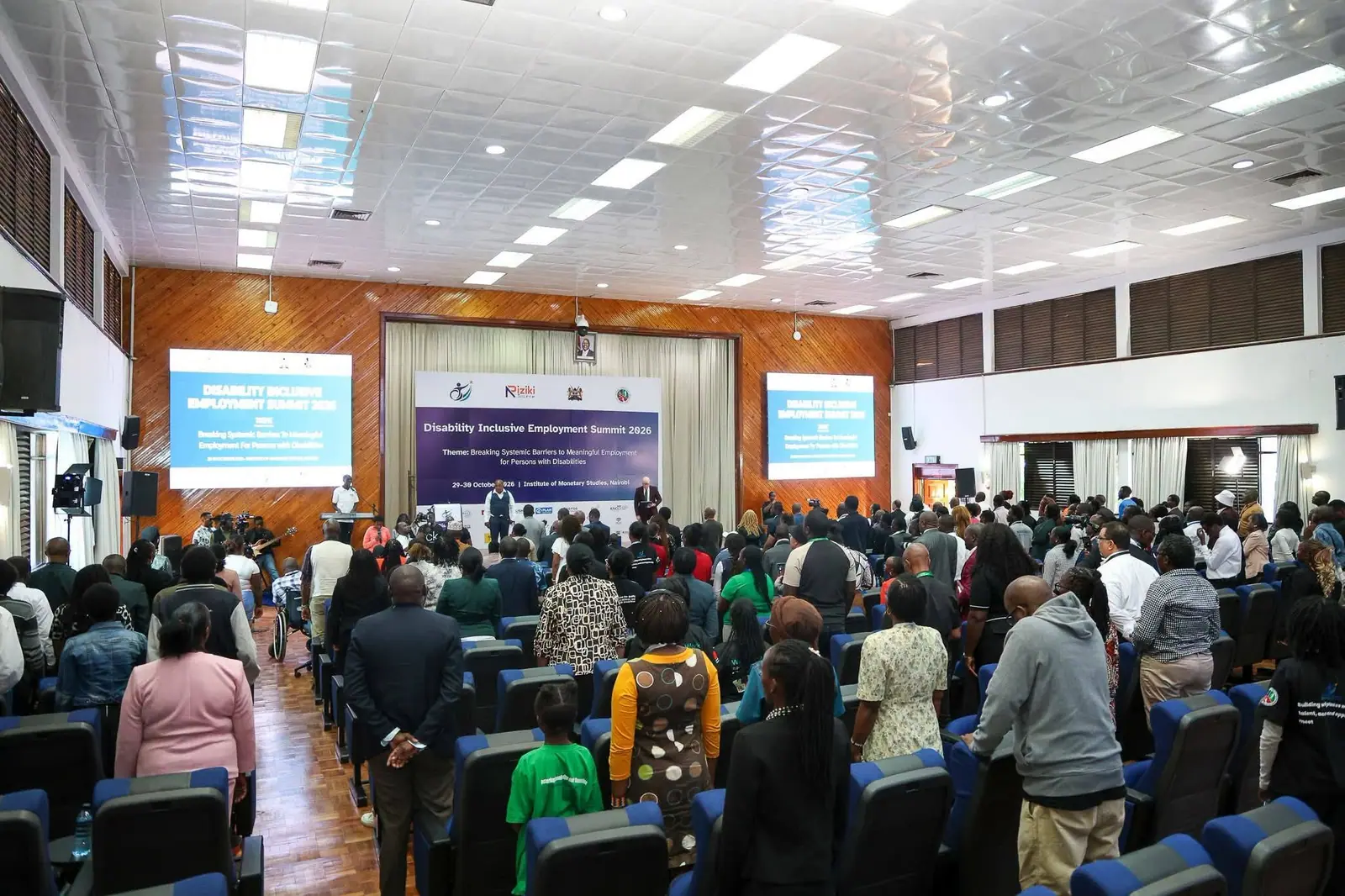
This was among the important conversations at the inaugural Disability Inclusive Employment Summit 2026, held on 29th and 30th October at the Institute of Monetary Studies in Nairobi. Bringing together stakeholders from government, the private sector and civil society, the summit created an opportunity to reflect on what needs to change to make employment more accessible and inclusive.
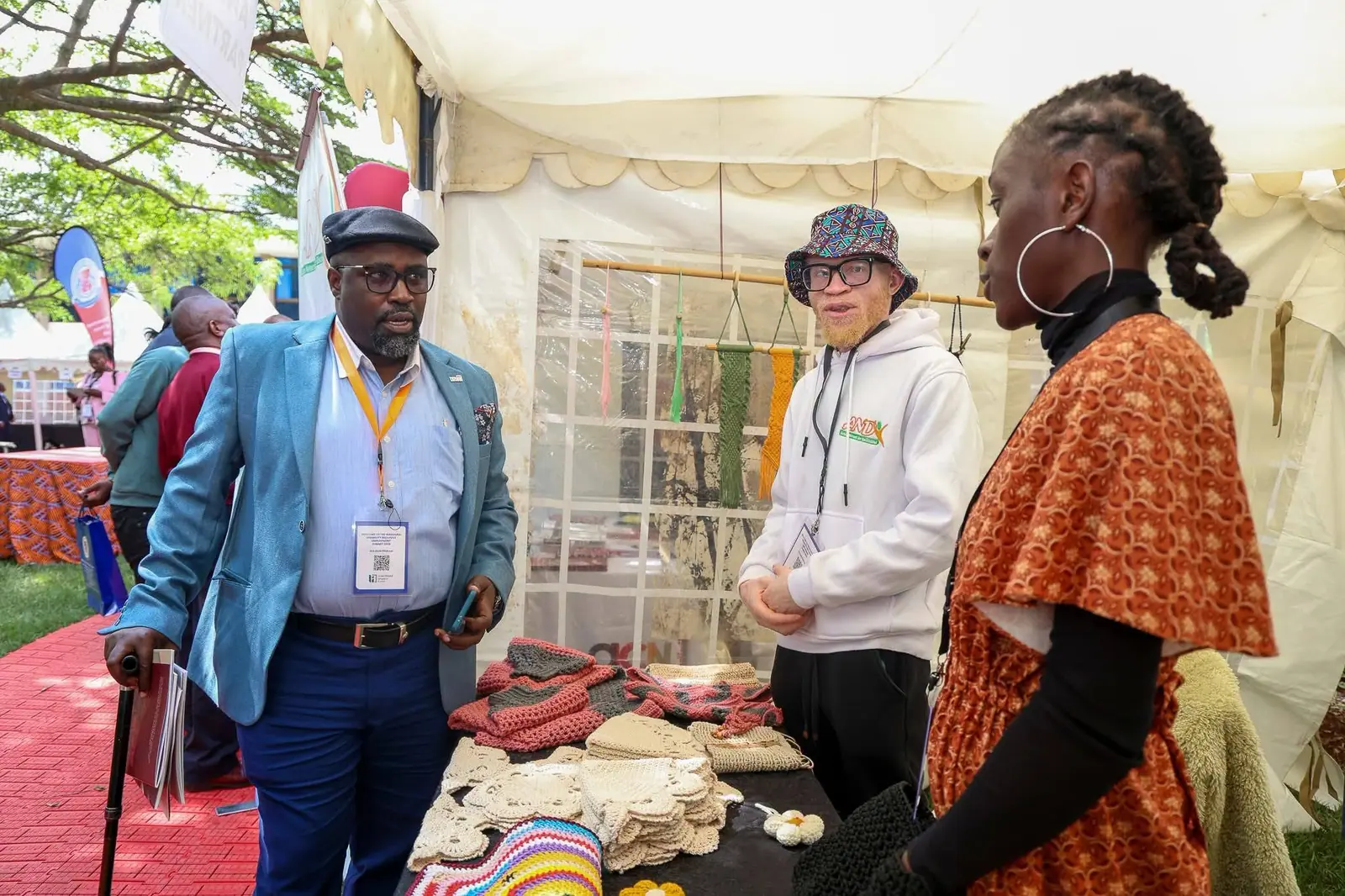
For Action Network for the Disabled (ANDY), the conversation was particularly important because it connects directly with the work we are doing to strengthen the economic empowerment and employment opportunities of young persons with disabilities.
Through the Sports for Livelihood and Development (SLIDE 4), powered under Sports for Education and Sustainable Livelihoods in Africa (SESLA) programme, ANDY is working to support young persons with disabilities to develop skills, explore livelihood opportunities and access pathways towards economic independence. Our collaboration with Riziki Source on job readiness is part of this broader effort to bridge the gap between skills development and employment.
But this raises an important question: What happens when young persons with disabilities are prepared for employment, but the opportunities waiting for them remain inaccessible?
The journey to employment starts long before the interview
For many young persons with disabilities, accessing employment involves navigating barriers that go beyond qualifications and professional experience.
Sometimes, the challenge begins with inaccessible job advertisements. In other instances, online application platforms are not accessible, interview arrangements do not consider individual needs, or employers make assumptions about what a person with a disability can or cannot do.
These barriers can prevent qualified individuals from progressing through recruitment processes, not because they lack the necessary skills, but because the systems around them have not considered their participation.
One of the key discussions during the summit focused on accessible recruitment. Hassan Oyugi, Youth Employability and Livelihoods Practitioner at Riziki Source, led a conversation challenging employers to rethink how they advertise vacancies, receive applications, shortlist candidates and conduct interviews.
It was a timely discussion, particularly for organizations working to prepare young persons with disabilities for the world of work.
At ANDY, our collaboration with Riziki Source on job readiness under SLIDE 4 recognises that preparing someone for employment is only part of the journey. Young people also need opportunities to connect with employers, demonstrate their abilities and navigate recruitment processes that are fair and accessible.
Job readiness should not only be about preparing young people to meet employer expectations. It should also involve encouraging employers to recognize different abilities, understand reasonable accommodation and create fair opportunities for everyone.
Inclusion requires collective responsibility
While the summit brought together different stakeholders, it also highlighted that no single organization can address all the barriers affecting disability-inclusive employment.
Government institutions have a responsibility to strengthen policy implementation and accountability. Employers need to review their recruitment and workplace practices. Training institutions must make skills development accessible, while organizations of persons with disabilities continue to advocate for the rights and meaningful participation of their communities.
For ANDY, participating in this conversation was an opportunity to learn, exchange experiences and strengthen connections with other organizations working towards inclusive employment.
Our ongoing collaboration with Riziki Source under SLIDE 4 demonstrates the value of partnerships in addressing different parts of the employment journey. By bringing together skills development, job readiness and engagement with employers, we can contribute to creating more pathways for young persons with disabilities to access economic opportunities.
The summit also introduced a follow-up process to track organizational commitments and progress towards October 2027. This is an important step in ensuring that the discussions lead to practical changes rather than ending when the event concludes.
The question we must continue asking
Perhaps the most important takeaway from the summit is that disability inclusion should not begin when a person with a disability walks into an interview room or reports for their first day at work.
It should begin much earlier, in the way we design opportunities, deliver training, advertise jobs, develop policies and prepare workplaces to accommodate different needs.
As we continue implementing SLIDE 4 under SESLA, these conversations reinforce why our work must go beyond preparing young persons with disabilities for opportunities. We must also engage the systems and people responsible for making those opportunities accessible.
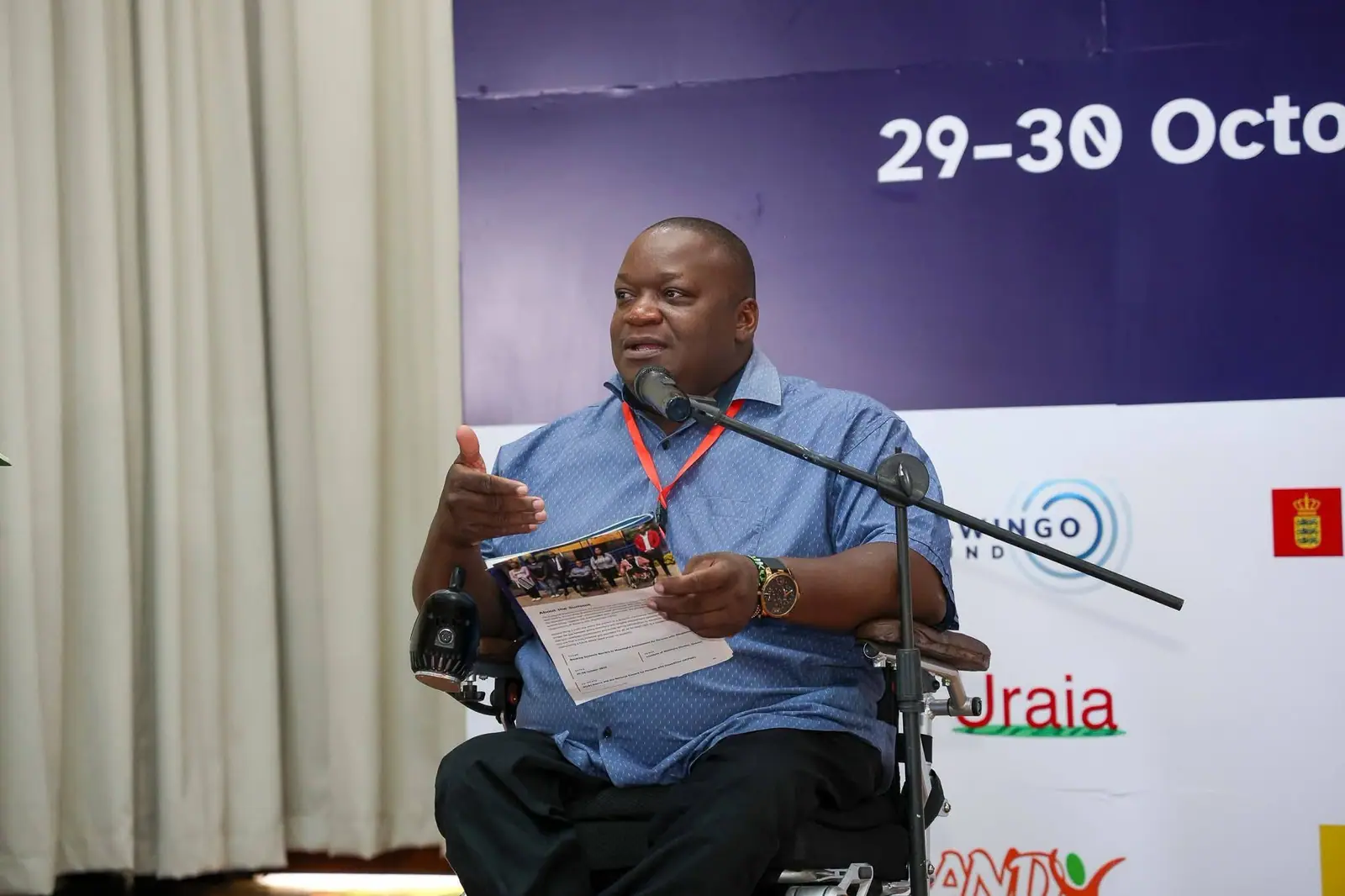
So, perhaps the question Fredrick Ouko posed deserves to remain with all of us:
How do we make it better for persons with disabilities?
Maybe the answer begins with looking beyond what persons with disabilities need to change and paying equal attention to what our institutions, employers and workplaces need to do differently.
Because the goal is not simply to support persons with disabilities get through the door. It is to ensure that once they are inside, they have the opportunity to contribute, grow, earn a living and build meaningful careers.
Preparing young persons with disabilities for employment is important. Creating workplaces that are ready to receive them is equally important. We must do both.