Recognizing the losses beyond the physical
At COP31, ANDY is keen to contribute to conversations on Non-Economic Loss and Damage (NELD), recognizing that the effects of climate change extend beyond financial losses and damaged infrastructure.
For persons with disabilities, climate-related displacement and disruption can mean losing access to support networks, community connections, essential services, independence and dignity. These losses may not have a monetary value, but they have lasting effects on individuals, families and communities.
Recognizing these experiences is important in ensuring that climate policies and interventions respond to the realities of persons with disabilities. Their experiences must be documented, acknowledged and reflected in decisions on climate resilience and loss and damage.
Putting disability inclusion at the heart of climate action
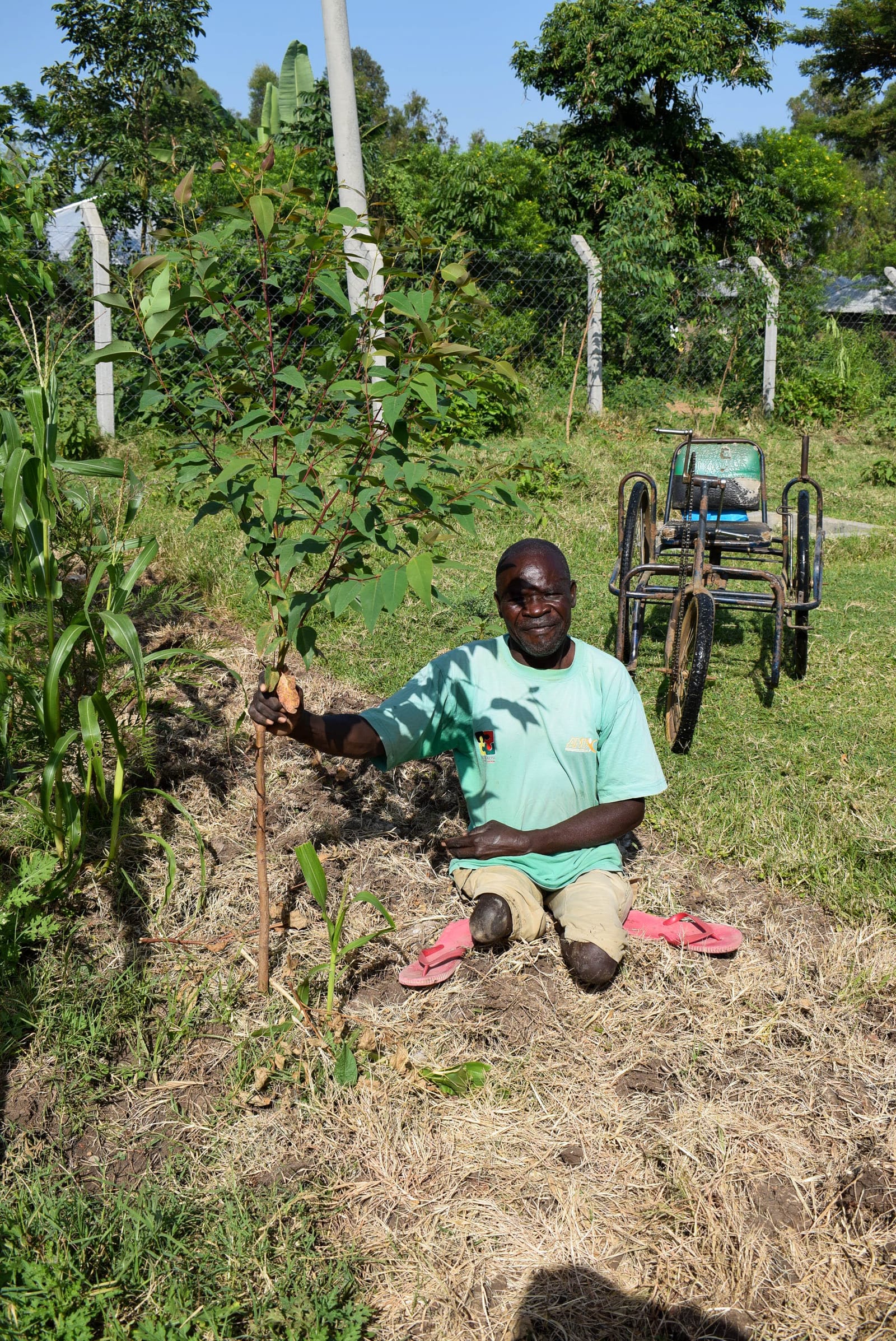
At ANDY, we believe that persons with disabilities should not only be recognized as people affected by climate change but also as active participants in developing solutions.
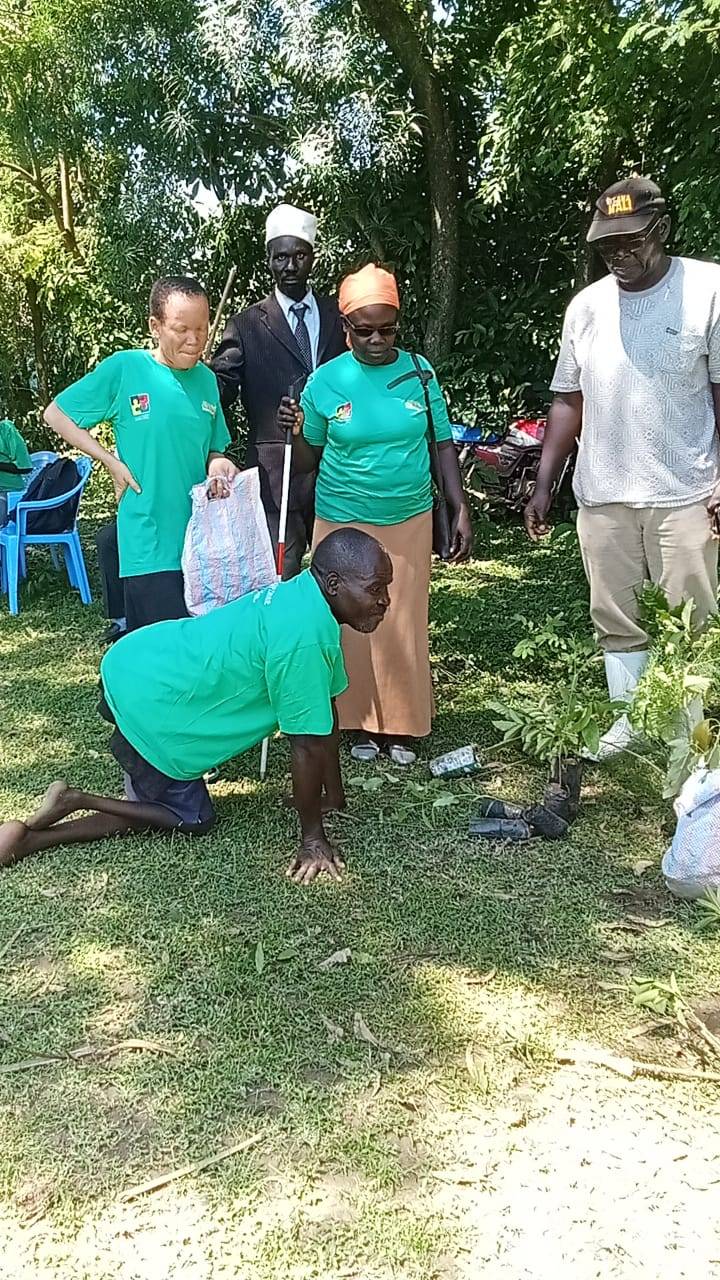
Through our work with persons with disabilities and communities in Kenya, we continue to champion inclusive approaches that create opportunities for people with disabilities to share their experiences, participate in community processes and contribute to decisions that affect their lives.
Our use of participatory approaches, including theatre, provides opportunities to raise awareness about disability inclusion in climate and disaster response while encouraging communities to recognize the experiences and contributions of persons with disabilities.
As we engage in the COP31 conversations, we are advocating for climate action that addresses the barriers persons with disabilities face and recognizes their role in building resilient communities.
What inclusive climate action should look like
For ANDY, achieving disability-inclusive climate justice requires deliberate action and commitment. This includes:
- Accessible early warning systems: Ensuring climate and disaster information reaches persons with different disabilities through accessible communication formats.
- Inclusive disaster preparedness: Making evacuation routes, temporary shelters and emergency response services accessible.
- Meaningful participation: Ensuring persons with disabilities and their representative organizations are involved in climate discussions, planning and decision-making.
- Recognition of non-economic losses: Acknowledging the social, emotional and personal losses experienced by persons with disabilities and their communities.
- Inclusive climate financing: Supporting community-led initiatives that address the specific needs and priorities of persons with disabilities.
These priorities are essential to ensuring that climate action does not reproduce the same barriers that already exclude persons with disabilities from participating fully in society.
Taking the disability inclusion message forward
COP31 provides an important opportunity to strengthen the recognition of disability inclusion within global climate discussions. For ANDY, participation is about ensuring that the experiences, perspectives and priorities of persons with disabilities are not overlooked when decisions about the future of our planet are being made.
We look forward to sharing experiences from our work in Kenya, learning from other stakeholders and building partnerships that advance inclusive climate resilience and climate justice.
Our message is simple: Climate action must include everyone. Persons with disabilities must be part of the conversations, decisions and solutions, not left behind when it matters most.